
What If a Photo Can Pass Facial Authentication?
Facial authentication typically compares a newly captured face with a previously registered face to determine whether they belong to the same person. For a delivery platform, this could mean comparing a rider’s selfie captured before starting work with the face registered during onboarding. But facial similarity alone answers only one question: Does this face look like the registered rider? It does not necessarily answer another critical question: Is the registered rider actually present in front of the camera? Someone who has access to the account holder’s photo could display it on another smartphone. A printed image or prerecorded video could also potentially be used in an attempt to spoof the authentication process. More sophisticated attacks may involve manipulated or synthetic facial content. That is why rider authentication needs to answer two separate questions:- Is the person being captured the same person who originally registered?
- Is the camera capturing a real, live person rather than a photo, screen, or replayed video?
Face Matching and Liveness Detection Serve Different Purposes
Face matching determines whether two facial images belong to the same person. For example, a platform can compare the rider’s face captured during onboarding with a new selfie taken immediately before starting delivery work. Liveness detection serves a different purpose. It helps determine whether the biometric sample comes from a live person rather than an attempt to spoof the system using a photo, screen, or prerecorded content. Neither capability alone fully addresses rider account sharing. Face matching without liveness may leave the system vulnerable to presentation attacks using the registered rider’s image. Liveness without face matching may confirm that a real person is present, but not that the person is the registered rider. For stronger rider authentication, the two should work together: Is this a real person? → Is this the registered rider? This combination allows delivery platforms to verify both the authenticity and identity of the person attempting to start work.Authentication Should Be Secure Without Disrupting Riders
Some liveness methods require users to perform specific actions, such as turning their head, blinking, or following instructions displayed on the screen. These methods can be useful in certain high-risk scenarios, but requiring multiple actions every time a rider starts work may create unnecessary friction. Delivery riders may authenticate outdoors, while moving between locations, or under inconsistent lighting and network conditions. For this reason, passive liveness detection can be useful for routine authentication. Passive liveness analyzes the captured facial data and related visual signals without requiring the user to perform complicated actions. This can help detect presentation attacks while allowing legitimate riders to complete authentication through a relatively simple selfie flow. The appropriate level of authentication should depend on the platform’s environment and risk profile. Routine activity may require only a quick selfie-based check, while suspicious activity can trigger stronger authentication or additional review.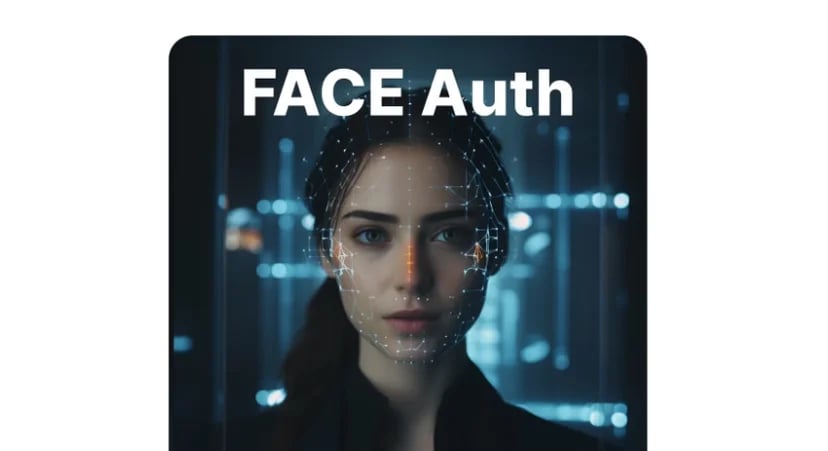
Preventing Rider Account Sharing with ARGOS Face Auth
ARGOS Face Auth enables platforms to compare a user’s current facial image with the facial information established during the initial identity verification process. For delivery platforms, the process can begin during rider onboarding. The rider submits an identity document and captures their face. The platform can verify information extracted from the ID, check the document, compare the portrait on the ID with the person completing registration, and establish a trusted identity profile. Once this identity has been established, the registered facial information can serve as a reference for future authentication. Before starting delivery work, the rider simply captures a new selfie. ARGOS Face Auth can then compare the current rider with the registered identity, while liveness detection helps determine whether a real person is present during authentication. If both checks succeed, the rider can proceed. If the face does not match or a spoofing attempt is suspected, the platform can block the session, request another verification attempt, or route the case for further review. This creates an authentication layer between the person who registered the account and the person actually performing delivery work.A Four-Step Rider Authentication Flow
A practical rider authentication system can be structured around four stages.1. Verify Identity During Onboarding
The platform first establishes the rider’s identity using appropriate verification methods, such as:- Identity document verification
- Face matching
- Liveness detection
- Phone verification
- Bank account or payment information verification
2. Re-Authenticate Before Starting Delivery Work
When the rider taps “Start Delivery” or begins a work session, the platform requests a selfie. The newly captured face is compared with the identity established during onboarding, while liveness detection helps prevent photo or video-based spoofing. If both checks pass, the rider can begin working.3. Trigger Additional Authentication When Risk Signals Appear
Not every rider needs to complete the same authentication flow every time. Platforms can trigger additional authentication when higher-risk activity is detected, such as:- Login from a new device
- Unusual location or access pattern
- Reactivation after a long period of inactivity
- Multiple devices accessing the same account
- Password reset
- Bank account changes
- Repeated facial authentication failures
- Suspicious device environments
4. Route Exceptions for Review
A failed facial authentication does not always mean account misuse. Poor lighting, camera quality, network conditions, or changes in appearance can affect authentication results. Clear matches can therefore be processed automatically, while ambiguous or suspicious cases are routed for additional authentication or operational review. This helps platforms focus manual resources on exceptions rather than reviewing every rider authentication attempt.Face Auth Does Not Replace Existing Identity Verification
Face Auth should not be considered a replacement for identity document, phone, or bank account verification. Each method answers a different question.
The strongest approach is to connect these methods across the rider journey.
Onboarding verifies who created the account. Face Auth helps verify who is using it now.
When Should Delivery Platforms Require Facial Authentication?
Authentication timing is just as important as the technology itself. Requiring facial verification too frequently can disrupt legitimate riders. Requiring it too rarely may reduce its effectiveness against account sharing. Platforms can consider authentication at moments such as:
This allows platforms to move from a fixed authentication model to risk-based rider authentication.
Low-risk activity can remain fast and simple, while higher-risk events trigger stronger verification.
Rider Account Sharing Is Also an Operational Risk
Unauthorized rider account use is not only an authentication issue. If the person registered with the platform is different from the person actually performing deliveries, it can create challenges when incidents or disputes occur. Platforms may have difficulty determining who actually performed a delivery. Insurance or accident-handling processes may become more complicated, and customer information such as addresses and contact details could potentially be exposed to an unregistered individual. The challenge can become even greater when riders are recruited or managed through partner agencies or local operators. Even if a partner submits legitimate rider information during registration, the platform still needs a way to determine whether the same individual is actually using the account in the field. Facial re-authentication before delivery work provides an additional control that connects the registered identity with the person performing the activity.The Key Is Not Just Facial Authentication. It Is the Authentication Policy.
Adding facial authentication alone does not automatically prevent rider account sharing. Platforms also need to define:- When authentication should be required
- Which risk signals trigger additional verification
- How many retries should be allowed
- What happens after a face mismatch
- When delivery activity should be restricted
- Which cases should be escalated for manual review