
Year of 1989, G7 meeting and launch of FATF
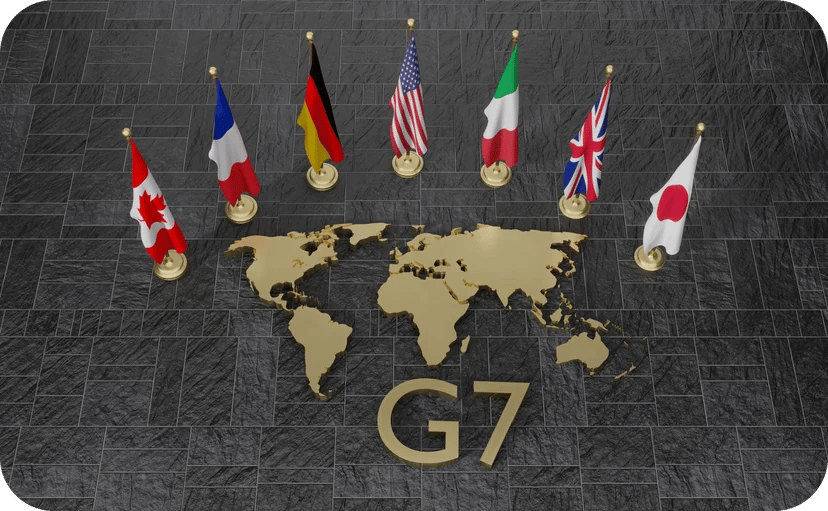
View the 1989 G7 Summit economic declaration At this G7 summit, it was decided to establish a task force to prevent money laundering using financial institutions internationally, and this task force was launched under the name of FATF (Financial Action Task Force).
- We, the Heads of State or Government of seven major industrial nations and the President of the Commission of the European Communities, have met in Paris for the fifteenth annual Economic Summit. The Summit of the Arch initiates a new round of Summits to succeed those begun at Rambouillet in 1975 and at Versailles in 1982. The round beginning in 1982 has seen one of the longest periods of sustained growth since the Second World War. These Summits have permitted effective consultations and offered the opportunity to launch initiatives and to strengthen international cooperation.
- This year’s world economic situation presents three main challenges:
- The choice and the implementation of measures needed to maintain balanced and sustained growth, counter inflation, create jobs and promote social justice. These measures should also facilitate the adjustment of external imbalances, promote international trade and investment, and improve the economic situation of developing countries.
- The development and the further integration of developing countries into the world economy. Whilst there has been substantial progress in many developing countries, particularly those implementing sound economic policies, the debt burden and the persistence of poverty, often made worse by natural disasters affecting hundreds of millions of people, are problems of deep concern which we must continue to face in a spirit of solidarity.
- The urgent need to safeguard the environment for future generations. Scientific studies have revealed the existence of serious threats to our environment such as the depletion of the stratospheric ozone layer and excessive emissions of carbon dioxide and other greenhouse gases which could lead to future climate changes. Protecting the environment calls for a determined and concerted international response and for the early adoption, worldwide, of policies based on sustainable development.
40 recommendations
In April 1990, less than a year after its establishment, the FATF published a report containing ‘40 Recommendations’, which provided a comprehensive action plan to prevent money laundering, laying the foundation for an international standard for anti-money laundering. It’s possible. These recommendations are continually being refined and strengthened. These 40 recommendations are divided into seven subareas below.- AML/CFT Policies and coordination
- Money laundering and confiscation
- Terrorist financing and financing of proliferation
- Preventive measures
- Transparency and beneficial ownership of legal persons and arrangements
- Powers and responsibilities of competent authorities and other institutional measures
- International cooperation
FATF Membership Status
The recommendations issued by the FATF are recognized as international standards by about 180 countries around the world. The recommendations are based on a country-by-country basis and must be applied in consideration of the situation in each country. In addition, the recommendations are secured through mutual evaluation of member countries to ensure de facto binding.
Currently, 37 countries, including the United States, South Korea, the United Kingdom, China, and Japan, and two international organizations, the European Commission and the Gulf Co-operation Council, are members. The FATF is actively working to establish international anti-money laundering standards and strengthen international cooperation.
Customer Due diligence (CDD)